
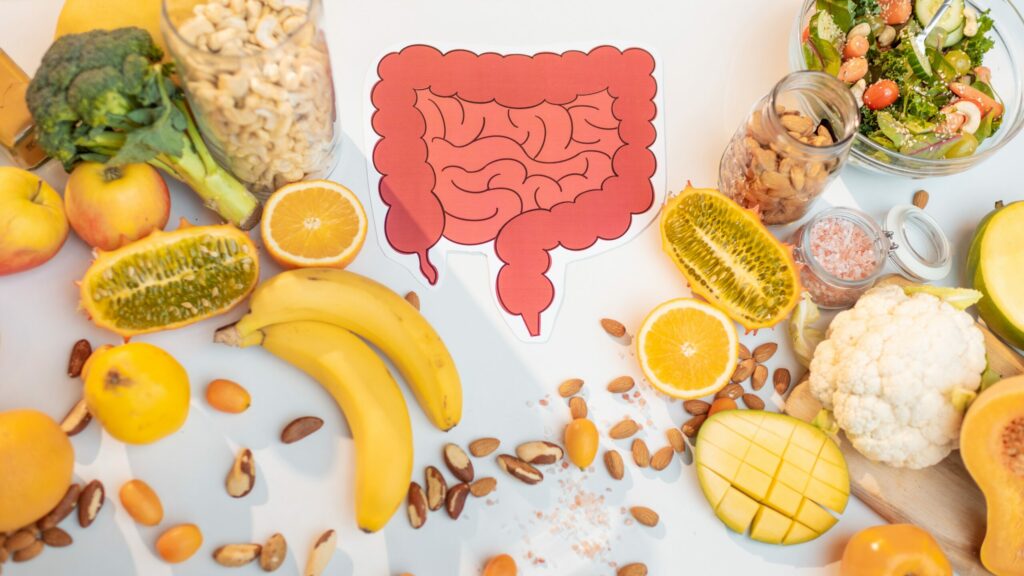
Do you ever have that ‘gut feeling’ that something isn’t right, mentally or physically? As your brain and gut actually do communicate with one another, this could be more accurate than you perhaps think. The gut (gastrointestinal tract) is an important organ, sometimes referred to as our ‘second brain’. Emerging evidence suggests that the gut plays a very important role in our overall health and wellbeing— affecting our immune system, digestion, hormone regulation, vitamin production, our ability to eliminate toxins and also our mental health. Unfortunately, however, our gut health can get overlooked.
The Gut-Brain Connection Explained
The brain and gut are connected by a large network of neurons, chemicals, and hormones which constantly provide feedback about how hungry or thirsty we are, whether or not we’re experiencing stress, or if we’ve consumed a disease-causing microbe. This connection can be known as the ‘gut-brain axis’, providing information from both ends.
The gut is highly sensitive to certain emotions such as anxiety, sadness, anger, and excitement. Signals, in the form of thoughts and emotions, are produced in the brain, received by part of our nervous system and then have a direct effect on the gut. This is demonstrated by the ‘fight or flight’ response, when a person senses danger and decides whether to stay and face up to the danger (‘fight’) or turn and run from it (‘flight’). In this scenario, the central nervous system sends signals to the enteric nervous system (which is embedded in the gut) to slow down or completely stop digestion. This allows the body to redirect energy that would have been used to digest food to the ‘fight or flight’ situation.
The ‘fight or flight’ state can be triggered from states of stress and anxiety. While our bodies are designed to cope with this situation every now and then, some people constantly feel stressed or anxious, which can cause a problem. Being in a constant state of stress can lead to undesirable health outcomes such as chronic inflammation, which is the root cause of some autoimmune disorders.
How to Promote a Healthy Gut-Brain Connection
Our diets can help shape the health of our gut. To have your gut performing at its best, you could try to:
- Avoid Highly Refined Processed Foods
Refined sugars and processed food serve as a feeder for pathogenic microorganisms and yeast, causing them to multiply and ultimately creating an unhealthy state in our gut.
- Be Mindful of Gluten
Gluten has been shown to cause havoc to the balance of bacteria (microbiome) in our gut and can lead to a ‘leaky gut’. A leaky gut is where undigested food leaks out into our body and can produce symptoms such as headaches, weight gain and joint pain, which can develop into autoimmune diseases. Read more about a leaky gut here.
- Consume Healthy Fats
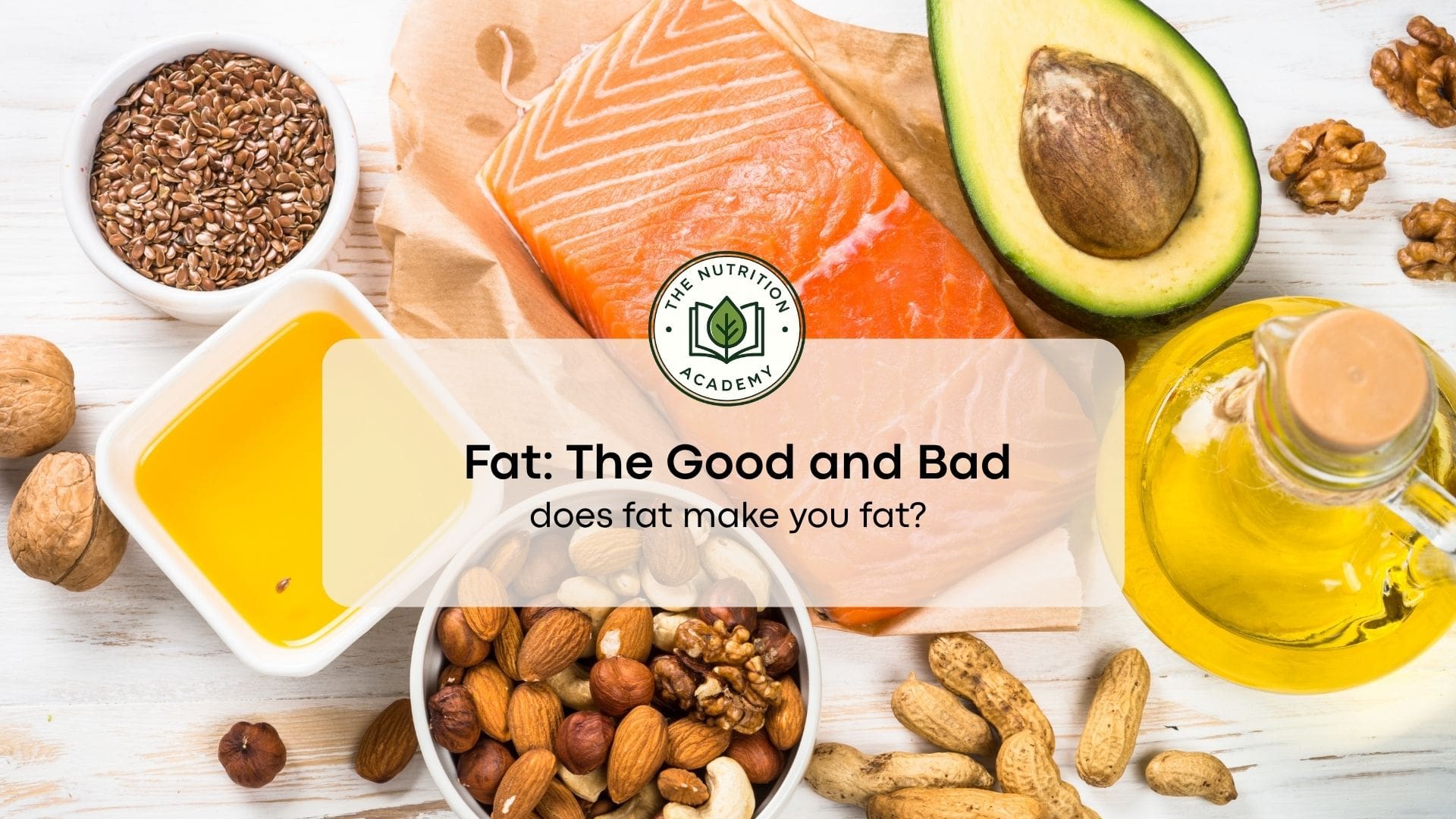
It is also essential to create a healthy microbiome for a good gut-brain connection. Our microbiome and brain require nutrient-rich forms of fat to function optimally. Good fats assist in decreasing inflammation and promote the growth of healthy gut bacteria and the formation of new cells. Some good fats include:
- Coconut oil
- Wild salmon
- Walnuts
- Extra virgin olive oil
- Avocados
- Increase Good Bacteria with Probiotics
Consuming probiotic-rich foods can also aid our gut. Probiotics are good bacteria that line our gut and are responsible for nutrient absorption, and help support our immune system. Foods rich in probiotics include:
- Kefir
- Sauerkraut
- Kimchi
- Kombucha
- Coconut kefir
The gut plays a huge role in our overall health. Food and lifestyle habits are extremely important when it comes to our gut and overall health and wellbeing. Look after your gut and it will help to look after you!
References
- https://www.ncbi.nlm.nih.gov/pmc/articles/PMC4940716/
- https://www.ncbi.nlm.nih.gov/pubmed/26645350/
- https://www.frontiersin.org/articles/10.3389/fpsyt.2017.00153/full
- https://www.ncbi.nlm.nih.gov/pmc/articles/PMC4367209/
- https://articles.mercola.com/sites/articles/archive/2015/05/27/processed-foods-gut-microbes.aspx