
I’ve been traveling for nearly 3 months now through different countries and continents. Food habits and diets of the different countries and areas are remarkably different.
I noticed that in Eastern and Western Europe that the diet was filled with real food but as I made my way through some supermarkets, as opposed to the fresh food markets, there was ultra-processed foods filled with additives and vegetable oils creeping into their diets. Along with their diet were their unique habits. Their lifestyle is waking up late, siesta in the afternoon, then up late into the night eating sometimes as late as 9.00pm. Some restaurants did not open until 8.00pm. Coming from a subtropical region I found this hard to do. I am used to getting up with the sun, eating as the sun goes down and being in bed before most people begin their dinner in western Europe.
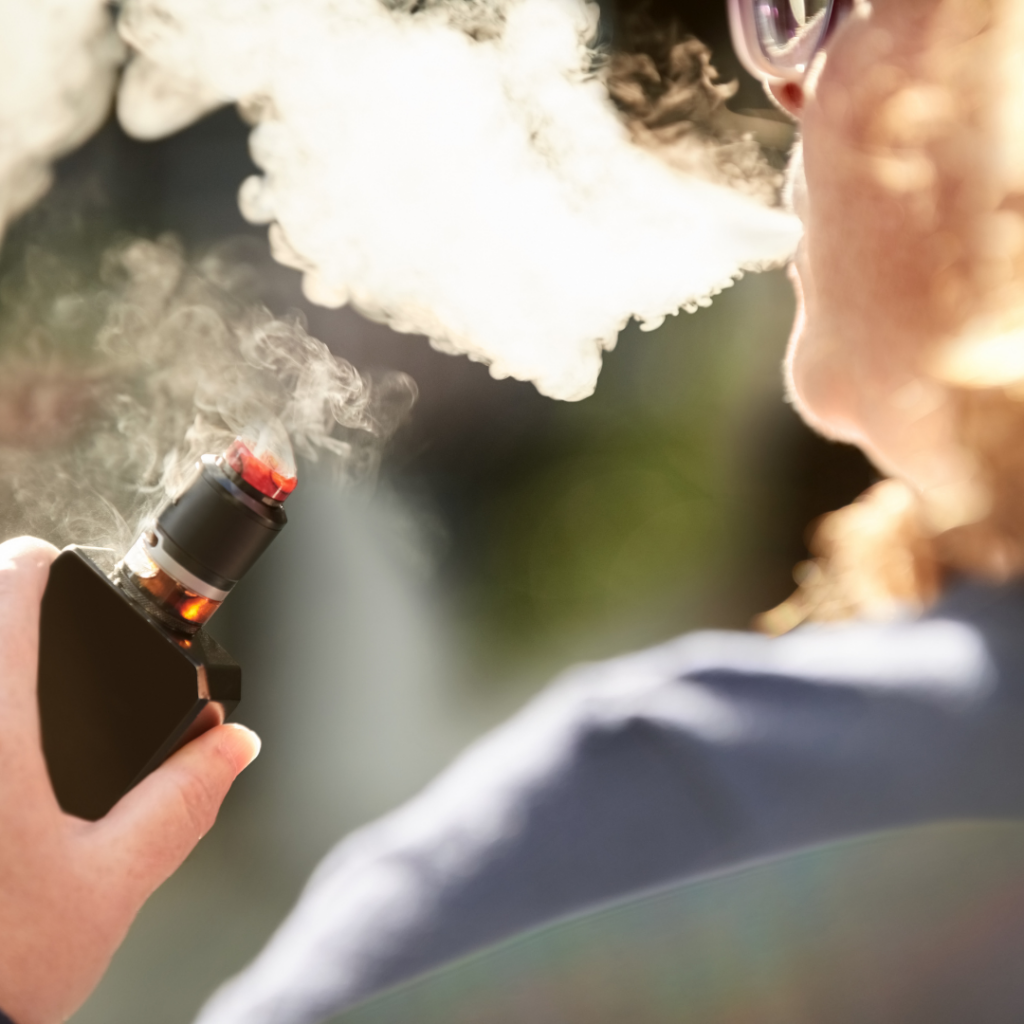
Smoking and vaping or e-cigarettes is something that caught my eye throughout eastern and western Europe among all members of the population but especially the young. I could smell the sweet smell before I could see it. It smelled to me like flavour in ultra-processed foods. I didn’t think too much of this until I got to the USA and I saw a sign saying that “California Just Quit Flavoured Tobacco”. A new California law makes it illegal to sell flavoured tobacco products including vapes and menthol cigarettes protecting our kids from a lifetime of deadly addiction. Learn more at UNDO.org 2022 California Department of Public Health.
Addiction and Flavours.
So my reasoning was that if the flavour is addictive in the vapes surely it is the same in food.
First, I had to figure out if it was the same flavouring in vapes as in food. And yes it’s from the same flavour and fragrance industry. Knowing what I know about flavours and the chemicals used in many flavours (sometimes up to 100 chemicals to make one flavour or the use of synthetic biology (genetically modified microbes) in order to make the flavour) and the fact that people breath these flavour in with their dangerous chemicals blows my mind. Not only would they be totally addictive but absolute poison for the human body. If you think your government would regulate this and know the dangers you will need to think again: regulatory bodies both in Australia and overseas are heavily funded by the industry they are regulating. In other words, without these companies these regulatory bodies would have no money. The more I see of these institutions the less I trust them, and instead trust my own research.
Flavours have excitotoxins that can be neurotoxic. These chemicals cause your tastebuds to experience irresistibility when it comes to food and vaping.
Even though a food or a vape may say the innocuous word; natural flavouring or flavour you can be guaranteed that there are many chemicals behind it.
Here is just one flavour that you may have tasted recently in a vape or your food and its long list of “ingredients”:
Strawberry Flavouring
amyl acetate, amyl butyrate, amyl valerate, anethol, anisylformate, benzyl acetate, benzyl isobutyrate, butyric acid, cinnamyl isobutyrate, cinnamyl valerate, cognac essential oil, diacetyl, dipropyl ketone, ethyl butyrate, ethyl cinnamate, ethyl heptanoate, ethyl heptylate, ethyl lactate, ethyl methylphenylglycidate, ethyl nitrate, ethyl propionate, ethyl valerate, heliotropin, hydroxyphrenyl- 2-butanone (10% solution in alcohol), ionone, isobutyl anthranilate, isobutyl butyrate, lemon essential oil, maltol, 4-methylacetophenone, methyl anthranilate, methyl benzoate, methyl cinnamate, methyl heptine carbonate, methyl naphthyl ketone, methyl salicylate, mint essential oil, neroli essential oil, nerolin, nerylisobutyrate, orris butter, phenethyl alcohol, rose, rum ether, undecalactone, vanillin and solvent.
Popcorn Lung Disease
is a condition otherwise known as bronchiolitis obliterans. It was termed popcorn lung disease after workers at a microwave popcorn packing factory were found to have this disease more often than other people. The chemical causing the problem was diacetyl. I have highlighted the chemical in the above ingredient list. It is potentially one chemical in 48 causing the issue. Who knows what other chemicals, isolated or in combination, are doing to our body or our lungs.
Get this: this one chemical is banned in Europe in e-cigarettes but not flavours in food.
It is said that the diacetyl is not safe to inhale but safe in food. The problem is that diacetyl is a volatile chemical which means it can vapourise into the air with certain conditions. So is it safe in our foods? Without this event at the popcorn factory to expose the effects, diacetyl wouldn’t be implicated in lung disease. What will it take to expose the effects of suspicious chemicals in vapes and food such as acetoin, acelyl propionyl which can also be found in flavours?
When you consider that flavour is all about taste buds and olfactory (smell) sensations then the volatility of the ingredients in flavour in foods may also seep into the nostrils ending in the lungs. There are no guarantees that this does not happen.
Flavour is in most ultra-processed foods, it’s rare for me not to see this innocuous substance in the food supply. Personally, I avoid it at all costs, mainly for my health but more importantly that I don’t want to support an industry that has no care for the health of humans, animals, and the planet. I don’t encourage them by purchasing their products or products that may have the ingredient in it, that includes chocolate, herbal teas, health tinctures, supplements, and anything that you may think is healthy but when you read the ingredients that word “flavour” seems to permeate these so-called health foods.
Many health food items may begin with health in mind but then they are bought out by a large multinational and the formulations change. A good example of this is Pukka Herbal Teas. They now have flavours in many of their tea combinations, so I refuse to support them anymore. That!s right, they have been purchased by Unilever.
Unilevers statement around the purchase of Pukka
“Pukka Herbs Ltd was founded in 2001 by Tim Westwell and Sebastian Pole. With 100% certified, organic, and ethically sourced ingredients, Pukka’s health and wellness philosophy centres around benefitting people, plants, and the planet. This represents a clear synergy with Unilever’s own sustainable living plan.”
The company was purchased in 2017 by unilever and since then I’ve seen the addition of flavours to many of the tea mixes. And I don’t see the synergy between the original Pukka and Unilver.
Other chemicals found in vapes and food include;
Propylene glycol
A clear, odorless liquid that’s used as antifreeze and a food addictive. It’s used as a base in e-liquids. It turns to vapor when heated but may produce propylene oxide, a known carcinogen.
Glycerin
Glycerin also known as glycerol is an alcohol sugar or polyol, other sugars like glycerol include erythritol, hydrogenated starch hydrolysates (HSH) maltitol, mannitol, sorbitol and xylitol. While glycerin occurs naturally in plants through the fermentation of sugars, most glycerin nowadays is produced from the hydrolysis (unbinding) of fats and oils. The problem with this is the amount of glyphosate sprayed on seed crops for the vegetable oil market. Glyphosate is being found in more and more consumable products in greater parts per million.
Nicotine
Found in tobacco, known to be addictive and a concern for the health of the lungs and vascular system.
The fragrance and flavour industry is a heavily regarded secret. Eric Schlosser in his book Fast Food Nation (2001) shows how hard it is to even penetrate this industry to find out the exact ingredients in flavours and fragrances. I for one don’t take chances. I’ll stick with the flavours still embedded in my fresh foods and for the vapers who can’t quit at least check your ingredients and get your vapes without flavour. We all have choices but unless you understand what choices you have, you end up being part of the statistics of health issues that reign supreme in much of the world.
Cyndi O’Meara