
“Why nutrition education is becoming more important in the age of AI”
I have been studying nutrition for 46 years. It continues to be a passion of mine.
I started in 1980 studying at the University of Colorado with historical nutrition by doing courses in anthropology and cultural anthropology. It was the history of eating that gave me the impetus to become a dietitian.
As a young girl I was taught the philosophy of vitalism. Vitalism says that you are an innate intelligence, give the body the right ingredients (real food, movement, grounding, connection, rest/meditation, sunshine, sleep, breath, nature) and take away interference and the body will be the healthiest it can be.
There is a quote that says “If you don’t stand for anything you will fall for everything”. People are ‘falling for’ diet dogma, every new fashionable supplement, every new super food and so on. To be guided by a philosophy (vitalism) and historical perspective rather than science that may have an industrial hidden agenda, especially in nutrition science, helps us navigate the trends. With this knowledge, we can understand what may be more harmful than helpful to human health.
Let me give you some examples of some food claims that are now blatantly, obviously wrong:
- Breakfast cereals are healthy
- Margarine is better than butter
- Salt causes hypertension and is bad for you
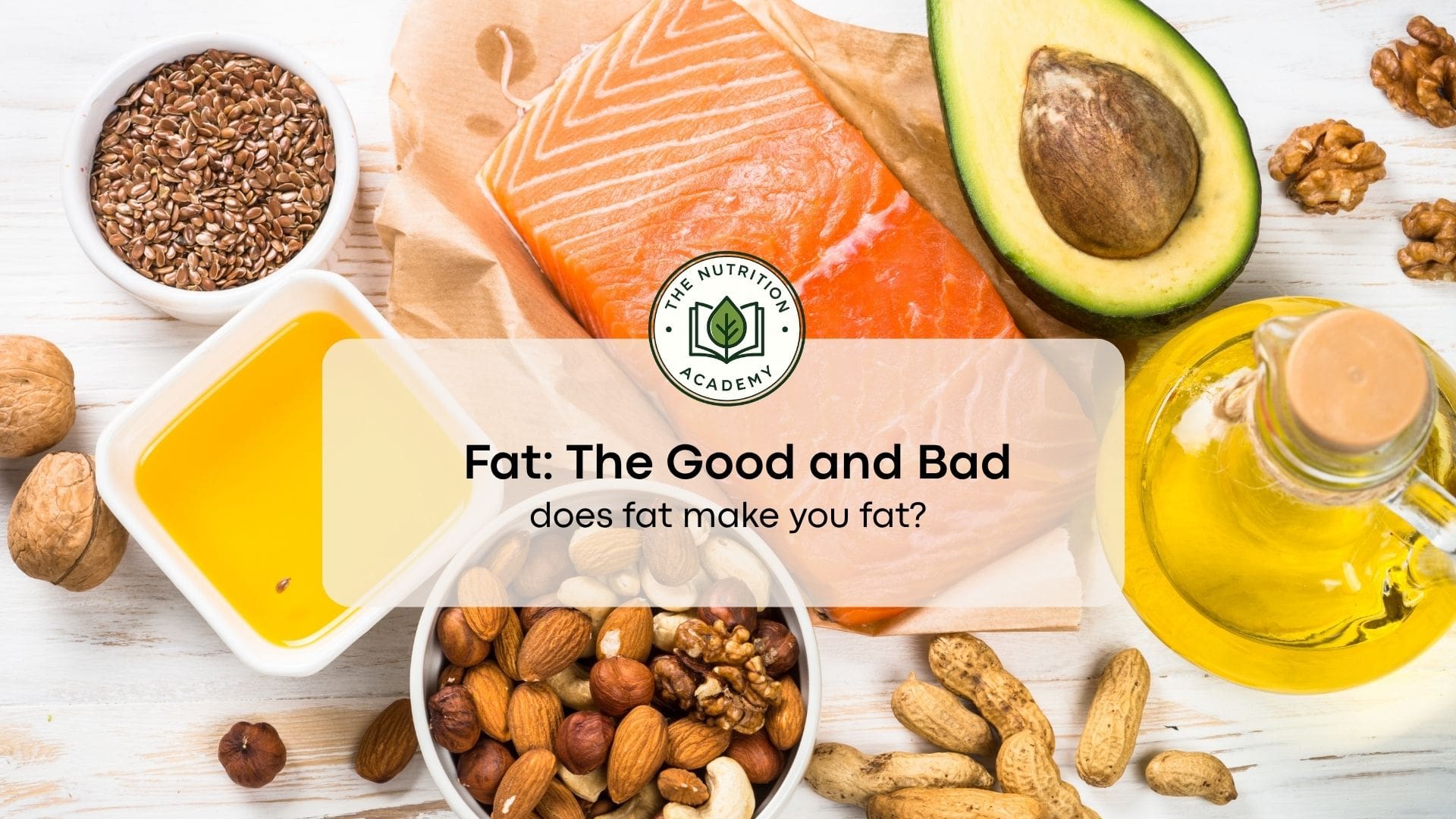
- Low fat is healthy, fat is bad
- Red meat causes bowel cancer
- Your disease has nothing to do with what you eat
- Sugar causes diabetes
- Vegetable Oils are healthy fats
- Calorie counting is important
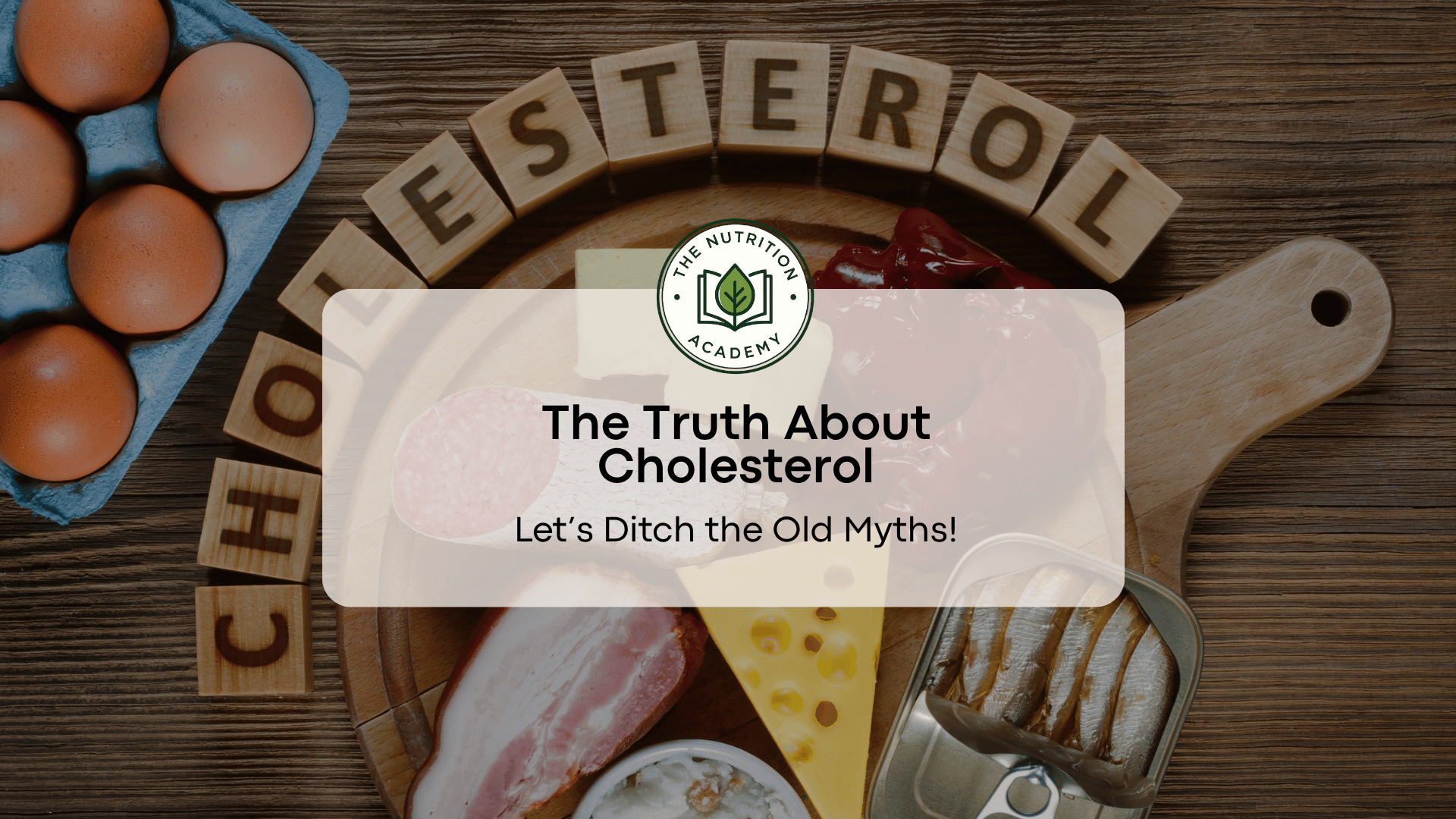
- Cholesterol is bad for you
- Saturated fat is bad for you
- Everyone should take the new darling of supplements
- The food pyramid dictating 11 serves of grains per day
- Drink 3 litres of water a day
I was fortunate to have my guiding principles and historical perspective when all this madness was happening in the dietary genre. I was not swayed by the latest industry-funded science or influencer fad. I stuck with my principles and wrote about it in the 1990’s in a public forum (newspaper columnist). You can read all about it my first book published in 1998 and in my latest book published in 2022.
The great thing is I haven’t changed. Real food in its whole form as seasonally and locally available as possible has been the mantra. The fact that this has stuck with me for decades and I’m a healthy 60 year old proves that this philosophy ticks all the boxes of the food healthy humans should eat.
What is the Right Diet for Humans?
You see there is no one diet for humans. Diet is not dictated only by our species, but more strongly dictated by where the human lives in latitude, longitude and altitude. It has everything to do with food availability due to sunshine and warmth. For example, if you live in the Arctic circle, plants are not readily available so a concentrated diet of animal protein and fats is required to help mitigate any nutritional deficiencies from the lack of sunshine. Think no sunshine = no vitamin D, but it can be found in the blubber and some protein of animals.
Let’s now take someone living on an island in the Pacific. There will be a plethora of plants, bananas, mangoes, coconut, yams and fish in the ocean. This is due to warmth and sunshine, the sun allowing these plants to flourish, and also dictates the body’s ability to make its own Vitamin D hence less need for dense, fatty ocean foods.
To say everyone should be plant-based, everyone should be carnivore, everyone should be on the Mediterranean diet or macrobiotic diet is pure insane thinking. We eat what our environment allows us to eat. And what the temperature and sunshine dictates.
Vitalism says you are an innate intelligence; your body is aware of where you are on planet due to the cues of temperature and sunshine. When we don’t eat to these cues, it can risk our health. If we don’t do the important lifestyle factors (sleep, sunshine, movement, grounding, nature, connection, breath) then it is detrimental to our health.
AI will never tell you this. AI is all about the narrative.
What Information Does AI Use?
The advent of language learning models. Like ChatGPT, Gemini etc., everyone thinks that it will provide you with highly personalised, inherently correct information. But what we see is that it will give you the narrative at the time. If being vegan or plant based is the narrative it will give you that. If taking a trending supplement is the narrative it will tell you to take it.
These AI chat bots scan public and private information on the internet. They take every piece of information and, working off volume and repetition, decide what is the ‘correct’ information.
Let’s take a look what AI told me when I asked about health eating. The AI answer is in italics so you don’t mistake my word for its information.
For good nutrition, eat a colorful, balanced variety of whole foods: plenty of vegetables and fruits, wholegrains, lean proteins (like fish, poultry, beans, and nuts), and healthy fats (such as olive oil). Aim for nutrient-dense meals and minimize ultra-processed foods, added sugars, and excess salt.
Key Food Groups to Include
- Vegetables & Legumes: Fill half your plate with a variety of colorful veggies and beans. They are packed with fiber, vitamins, and antioxidants.
- Fruits: Aim for a couple of pieces daily to cover essential vitamins and natural energy
- Whole Grains: Choose wholegrain cereals, brown rice, oats, and whole-wheat bread over refined white options for sustained energy and fiber.
- Proteins: Incorporate lean meats, fish, eggs, tofu, nuts, and seeds. Fatty fish (like salmon) is particularly great for omega-3 fatty acids.
- Dairy & Alternatives: Include options like milk, cheese, and yogurt, or calcium-fortified plant-based alternatives.
- Healthy Fats: Cook with extra virgin olive oil and consume fats from avocados and nuts rather than saturated fats and butter.
Tips for Healthy Eating
- Stay Hydrated: Drink plenty of water throughout the day.
- Read Labels: Check nutrition information to easily spot unnecessary salt or sugar.
- Portion Control: Pay attention to how much you eat to meet your specific energy needs. For more localized advice, you can also refer to the Australian Dietary Guidelines or the Heart Foundation for structured recommendations.
My voice following:
Is AI Good at Giving Nutrition Advice?
Let’s first dissect AI’s advice just a little.
It is US spelling, color, fiber, so you can understand that it’s deciding based on majorly American information. It did not ask me what part of the planet I lived in. It still says saturated fat is bad and so is butter, in fact if you ask if margarine is better than butter it will always say margarine, despite it being ultra-processed and thus contradicting its earlier statement about reducing ultra-processed foods.
It talks about eating lean meat, but what if you lived in Greenland?
It does not talk about the quality of the food but rather looks at quantity only. To the AI, reading food labels is not about the ingredients but about the components of the food, for unnecessary salt or sugar.
It says to drink plenty of water, which is both unspecific and potentially unnecessary. Drinking water really depends on where you live, what you eat and how you move your body as to how much water you require.
It mentions portion control and calorie counting.
It advises the Australian Dietary Guideline and Heart Foundation for structured recommendations. If we look at the dismal Heart foundation’s tick of approval and the ultra-processed foods it gave a big tick to, they are hardly an organisation that can be trusted. The heart tick was purchased, not earned on good food values.
It says that calcium fortified plant-based milks are a good nutritional choice but mentions nothing about the often dubious ingredients in these drinks. I would say it’s advisable to give them a miss.
There is no talk of quality, regeneratively grown, local, seasonal, preparation, or cultural aspects.
There has never been a more important time to be, and think, critically about the information that is being spewed out of AI generated information.
And the only way you are not going to be fooled by whatever current trend is happening is education. Not education like the dietary guidelines, but rather education that can help you critically think about what you are being spoonfed.
We were spoonfed by the government about the dietary guidelines beginning in 1982. It said that every Australian should eat 11 serves of grains including cereal for breakfast, low-fat, margarine, count calories and other such nonsense. But how can the whole of Australia eat the same food, when we have the cold climate of Tasmania and the tropical zone above the Tropic of Capricorn?
Please make it make sense. But it will never.
How to Live A Healthy Life
Education is the key to developing critical thinking. You do not need a university degree that simply reinforces dietary guidelines; you need a philosophy to live by and a historical understanding of the foods that have allowed humans to thrive with health and longevity in diverse environments, with diverse dietary requirements.
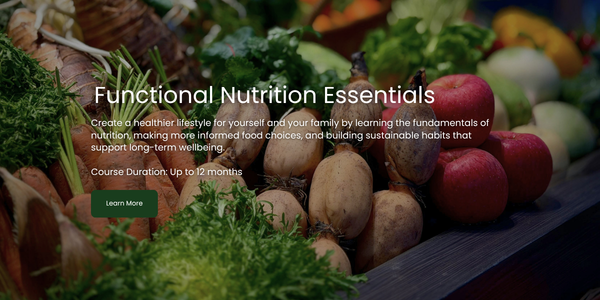
At The Nutrition Academy, our Functional Nutrition Essentials Course begins with the philosophy of Vitalism and how it relates to health, food, medicine and so much more, then the second module teaches the principles of cultural anthropology and how survival of humanity was based on the food they consumed, cooked, fermented or had cultural significance around.
At the Nutrition Academy, we do not teach a strict dietary regime but rather explore what is best for you and where you live and how to identify foods that will nourish you and not make you sick. It helps in the perspective of digestion, immunity, age groups, sports, microbiome and so much more.
History helps us understand how the human body evolved to eat butter over margarine, to eat meat over fake meat, to require salt, the importance of preservation through drying and fermentation, the importance of seasonal plants and herbs in healing. These are just a few things in history that helps us understand what foods are right for you.
Vitalism guides us through the noise of nutrition; it’s like having earmuffs on to the influencers trying to sell you the latest supplement or protein powder. You learn about nutritional labels vs ingredients and how these ingredients are made.
I invite you to a discovery call with me – book here
I invite you to our monthly webinars with me – book here
I want to answer your questions to help you decide if what The Nutrition Academy offers will help you with your goals. Whether that’s navigating a change in career, upskilling yourself or your team members, helping a child that is not doing well with health or perhaps you have found no satisfactory answers to your own health issues.
I am here to guide you, not tell you what to do. My aim is to empower you to make the right choices for yourself, your family, and your community. We need community leaders who can teach these principles. The health of our children and adults is suffering, and we must take responsibility for our own wellbeing. At present, neither the government nor many conventional doctors have all the answers, and unless you are fortunate enough to work with an integrative practitioner, you have to have the confidence and answers within yourself.
I look forward to seeing you as a student on our fortnightly calls of Q&A.
Cyndi O’Meara